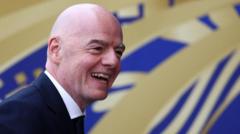
UEFA Threatens World Cup Boycott Over FIFA Investment Plans
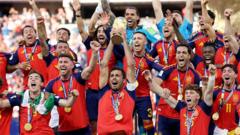
UEFA Declares Firm Stand Against FIFA Investment Plans
The UEFA World Cup boycott threat has escalated tensions within international football governance, as the continental confederation's 55 member associations unanimously voted to reject FIFA's contentious investment proposals. European football bodies have taken an unprecedented stance, signaling that the World Cup remains a protected sporting institution rather than a commercial asset vulnerable to profit-driven schemes.
The Core of the Dispute: Commercial Expansion vs. Tradition
At the heart of this confrontation lies a fundamental disagreement about the tournament's future direction. FIFA, under the leadership of President Gianni Infantino, has proposed sweeping changes to monetization strategies that would fundamentally alter how the World Cup operates financially. These proposals represent a departure from traditional governance models that have defined international football for decades.
The UEFA World Cup boycott declaration emerged from deliberations that revealed deep concerns among European administrators about commercialization overreach. Member associations argue that such investments would compromise the sporting integrity and universal accessibility that have made the tournament a global phenomenon.
UEFA Member Associations Unite on This Critical Issue
The overwhelming support from all 55 UEFA member associations demonstrates unprecedented solidarity on this matter. This unified response reflects shared apprehensions about how external investment could reshape competition formats, scheduling, and the fundamental nature of the tournament itself. Each association recognizes that their national teams' participation depends on maintaining standards that prioritize competition over commercial interests.
The boycott threat carries significant weight because European nations represent substantial revenue streams and competitive prestige for FIFA. Without participation from UEFA members, the World Cup would lose considerable global standing and marketability, creating substantial leverage for European football authorities.
Gianni Infantino's Vision Under Scrutiny
FIFA President Gianni Infantino's investment proposals have become the lightning rod for criticism across multiple football confederations. While proponents argue these measures would generate capital for football development worldwide, opponents contend they introduce unsustainable precedents that prioritize investor returns over sporting principles.
The debate centers on whether FIFA should evolve its financial model or maintain traditional governance structures. Infantino has championed modernization and expanded commercial partnerships, but European football leadership questions whether such expansion serves football's long-term interests or merely enriches external stakeholders.
The Stakes: More Than Just Money
This dispute transcends financial considerations. The UEFA World Cup boycott threat represents a watershed moment for international sports governance, establishing whether multinational confederations can resist external pressure to commercialize sacred sporting traditions. The outcome will likely influence how other international competitions manage similar pressures.
If FIFA refuses to abandon its investment proposals, UEFA members have demonstrated they possess the collective resolve to implement boycott measures. Such action would severely damage FIFA's commercial objectives and force recalibration of organizational priorities. Conversely, if FIFA backs down, it would signal that sports governance ultimately answers to member confederations rather than executive leadership pursuing independent agendas.
Global Football Watches Closely
Other continental confederations monitor this standoff with considerable interest. CONMEBOL, CAF, AFC, and OFC face similar pressures regarding tournament commercialization and investor participation. UEFA's firm position potentially establishes precedents that empower other confederations to resist comparable proposals, creating a coordinated international football response to commercial overexpansion.
The phrase "the World Cup is not for sale" encapsulates UEFA's philosophical position—that some sporting institutions transcend market logic and deserve protection from purely profit-driven restructuring. This position resonates across numerous member states where football constitutes a cultural institution worthy of safeguarding from excessive commercialization.
Looking Forward: Negotiations and Uncertainty
Dialogue between UEFA and FIFA leadership remains ongoing, though significant philosophical differences persist. Whether Gianni Infantino will modify his investment proposals or whether UEFA will implement the threatened boycott remains uncertain. The coming months will reveal whether compromise solutions emerge or whether this fundamental disagreement creates lasting fractures in international football governance.
The European confederation has established clear parameters for acceptable resolution: FIFA must abandon the investment proposals as currently conceived. This non-negotiable position leaves limited middle ground, suggesting either substantial UEFA concessions or FIFA capitulation will prove necessary for resolution.