Labour Claims Decisive Win in Greater Manchester Mayoral
Labour Secures Commanding Victory in Greater Manchester Mayoral Byelection
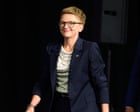
The Greater Manchester mayoral byelection has delivered a resounding triumph for Labour, as the party reasserted its dominance in a region where political shifts had emerged during recent electoral contests. Bev Craig, Manchester's city council leader, has emerged victorious and will now assume control of one of the most influential local government positions in the United Kingdom outside the parliamentary heart of Westminster.
The Greater Manchester mayoral byelection represented a significant opportunity for Labour to demonstrate its resilience in local politics following setbacks experienced across the region. Craig's successful campaign rebuilt voter confidence and reclaimed electoral ground that had previously shifted toward rival parties.
Bev Craig Takes the Helm from Andy Burnham
Craig's ascension to the mayoralty marks a historic transition in Greater Manchester leadership. She succeeds Andy Burnham, who previously held this prestigious position with considerable influence over the region's strategic direction and governance. The handover reflects Labour's commitment to developing new leadership talent within its ranks while maintaining its stronghold over one of England's most densely populated metropolitan regions.
As Manchester city council leader, Craig had already demonstrated her capability to manage complex urban governance challenges. Her election to the Greater Manchester mayoralty represents an expansion of her responsibilities and influence, positioning her to shape policies affecting millions of residents across the entire conurbation. The role encompasses significant powers relating to transport, economic development, and broader strategic planning for the region.
Reclaiming Territory from Reform UK and the Greens
One of the most noteworthy aspects of Labour's victory in the Greater Manchester mayoral byelection involves the party's successful recovery of areas that had swung toward Reform UK and the Green Party in May's elections. These territorial gains underscore Labour's ability to rebuild its coalition and reconnect with voters who had explored alternative political options.
Reform UK had made significant inroads in certain Greater Manchester constituencies during the May electoral cycle, capitalizing on specific voter concerns and dissatisfaction with established parties. However, the mayoral byelection demonstrated that Labour could still mobilize substantial support when presenting a compelling alternative vision. The party's campaign strategy evidently resonated with voters who had temporarily shifted their allegiances.
Similarly, Green Party advances in particular wards suggested growing environmental consciousness among some voters. Labour's victory indicated that the party had successfully incorporated environmental concerns into its platform while addressing the economic and social priorities that had attracted voters to Reform UK.
Implications for Labour's Regional Strategy
Labour's commanding performance in the Greater Manchester mayoral byelection carries significant implications for the party's broader northern strategy. The region represents a crucial political battleground, with its large population and diverse demographics reflecting broader national trends. Victory here strengthens Labour's narrative about its ability to govern effectively at local level while maintaining momentum ahead of future electoral contests.
The decision of Greater Manchester voters to select Craig demonstrates continued faith in Labour's leadership capabilities despite challenges faced elsewhere in the country. It suggests that Labour's messages regarding economic management, public services, and regional development maintain considerable resonance in this urban metropolitan area.
Craig's Vision for Greater Manchester
Bev Craig now inherits responsibility for navigating significant governance challenges facing Greater Manchester. The mayoral position carries authority over transport infrastructure, economic regeneration initiatives, and coordination with local councils across the entire metropolitan county. Craig's background in Manchester city council leadership suggests she understands the complexities of urban governance and the diverse needs of different communities within the region.
As she assumes office, Craig will face expectations to deliver tangible improvements in areas including public transportation, business development support, and quality of life enhancements for residents. Her election represents an opportunity to set a fresh direction for Greater Manchester's development while building upon the achievements of her predecessor.
The Greater Manchester mayoral byelection outcome confirms that despite recent political volatility affecting many regions, Labour retains considerable electoral strength in metropolitan areas with diverse, urban populations. This victory will likely feature prominently in Labour's discussions about its capacity to govern effectively and maintain public confidence in its leadership at local government level.