US Launches Heavy Military Strikes on Iran Following Attack Attempt
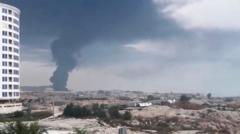
US Executes Heavy Military Strikes Against Iran
The United States has initiated a series of heavy military strikes on Iran in direct response to an attempted attack directed at American troops positioned across the region. This significant escalation marks a turning point in recent geopolitical tensions, as diplomatic efforts have given way to military confrontation between the two nations.
Renewed Hostilities After Period of Relative Calm
Following a previous window of relative restraint during which both nations had temporarily halted their offensive operations, the current situation reflects a dramatic reversal in regional stability. The attempted attack on American personnel served as the catalyst for the renewed US military response, underscoring the fragile nature of any ceasefire arrangements between Washington and Tehran.
Resumption of Missile Operations
Intelligence assessments confirm that both the United States and Iran have reactivated their missile deployment strategies. This resumption of active military engagement represents the most serious escalation in direct hostilities between the two countries in recent months. American military officials have characterized the US strikes as proportionate responses designed to deter further Iranian aggression and protect American service members stationed throughout the Middle East.
Strategic Context and Regional Implications
The decision to launch these heavy strikes reflects an assertive policy stance toward Iranian military capabilities and intentions. Military analysts suggest that the US strikes were carefully calibrated to demonstrate resolve while avoiding an uncontrolled spiral into wider regional conflict. However, the resumption of missile attacks by Iran indicates that Tehran remains committed to challenging American military presence in the region.
Timeline of Recent Escalations
The sequence of events leading to the current crisis began with initial tensions that subsequently de-escalated temporarily, creating a false sense of stability. The attempted attack on American troops has now shattered that fragile peace, prompting the United States to respond with significant military force. Iranian officials have signaled their intention to continue their own military operations, suggesting that this cycle of attack and counter-attack may persist.
Implications for American Military Strategy
These developments underscore the ongoing challenges facing American defense planners in managing the complex relationship with Iran. The heavy strikes represent a critical test of US deterrence credibility, particularly given previous statements regarding consequences for attacks on American personnel. Military readiness levels have been elevated across multiple commands, with additional defensive systems being deployed to protect American troops and assets throughout the region.
International Response and Monitoring
The international community continues to monitor this escalating situation closely, with regional allies and global powers expressing concern about the deteriorating security environment. The resumption of active missile attacks raises questions about the sustainability of any future diplomatic resolutions, as both sides demonstrate their military capabilities and willingness to employ them. Strategic analysts are closely tracking whether additional strikes may be forthcoming from either party.
Assessment of Current Crisis Status
Military experts assess that the current phase of confrontation reflects deeper structural tensions that cannot be easily resolved through military means alone. The pattern of attempted attacks followed by heavy US strikes, coupled with renewed Iranian missile operations, suggests a dangerous cycle that could persist indefinitely without diplomatic intervention. The American military response has been carefully documented and analyzed by defense officials as a necessary measure to protect national interests and personnel safety in this volatile region.