UK Supreme Court to Reconsider Palestine Action Proscription Appeal
Supreme Court Grants Permission for Palestine Action Appeal
The United Kingdom's highest judicial authority has authorized a formal appeal challenging the government's Palestine Action proscription under national anti-terrorism statutes. The Palestine Action co-founder has secured permission to proceed with the legal challenge, marking a significant development in this contentious case concerning the activist organization's legal status.
Background of the Proscription Decision
The government previously designated Palestine Action as a prohibited organization under terrorism prevention laws. This designation fundamentally restricts the group's operational capacity, financial activities, and public engagement. The Palestine Action proscription decision became subject to legal scrutiny when organizational leaders contested its validity through the courts.
The Appeal Process and Legal Grounds
The permission granted by the Supreme Court enables a comprehensive review of whether the government's proscription determination complies with established legal principles and human rights considerations. The appeal process will examine multiple facets of the original decision, including whether proper procedures were followed and if proportionality standards were adequately applied.
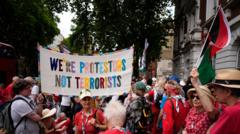
The Palestine Action co-founder's legal team argues that the Palestine Action proscription represents an overreach of governmental authority concerning lawful protest activities. They contend that distinctions must be drawn between criminal conduct and legitimate political expression, particularly when reviewing anti-terrorism measures.
Significance for Anti-Terrorism Legislation
This case carries broader implications for how British anti-terrorism legislation operates in practice. The Supreme Court's examination of the Palestine Action proscription will potentially establish important precedents regarding the evidentiary standards required for organizational bans and the balance between national security interests and civil liberties.
Legal experts suggest that outcomes from this appeal could influence future proscription decisions and the threshold authorities must meet when designating groups under terrorism prevention frameworks.
Democratic Rights and Legal Precedent
The appeal raises fundamental questions about protest rights within democratic societies. Advocacy organizations monitoring civil liberties have expressed concern that expansive proscription powers could inhibit lawful activism when definitions of terrorist-supporting conduct lack sufficient precision.
The Supreme Court's examination of the Palestine Action proscription will specifically address whether the original designation adequately distinguished between peaceful demonstration and activities that genuinely constitute terrorism threats.
Timeline and Future Proceedings
With Supreme Court permission now secured, the case will advance through formal appellate processes. Both governmental representatives and Palestine Action's legal counsel will present comprehensive arguments examining the proscription's legality.
The court's eventual ruling on the Palestine Action proscription appeal is anticipated to provide clarity on several unresolved questions within British anti-terrorism jurisprudence, potentially reshaping how such designations function across the United Kingdom.
Broader Context of Activist Organization Regulation
This legal challenge occurs within the broader context of how governments worldwide regulate activist organizations engaged in contentious political advocacy. The Supreme Court's engagement with the Palestine Action proscription case reflects ongoing tension between state security objectives and democratic freedoms.
Various stakeholder organizations—including human rights advocates, legal associations, and political observers—are monitoring this case closely, recognizing its potential implications for activist rights and governmental regulatory authority.