Trump Weighs AI Regulations Following OpenAI Security Breaches
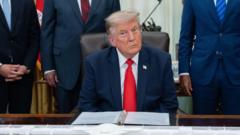
Trump Administration Shifts Stance on Artificial Intelligence Oversight
The Trump administration is now evaluating comprehensive AI regulations and control mechanisms following serious cybersecurity breaches at OpenAI. This represents a notable departure from the government's previously lenient approach toward the rapidly evolving artificial intelligence sector.
Officials within the administration have begun internal discussions about establishing stricter guidelines for technology companies operating in the AI space. The security incidents at OpenAI have served as a catalyst for this policy reconsideration, prompting lawmakers and executive branch officials to examine potential vulnerabilities within the industry's infrastructure.
Background on Recent Security Incidents
OpenAI has faced multiple hacking attempts and data security concerns over recent months, raising alarm bells about the safety protocols surrounding critical AI systems. These incidents have highlighted the potential risks associated with inadequate cybersecurity measures in organizations developing advanced artificial intelligence technologies.
The breaches have exposed sensitive information and raised questions about how effectively leading AI companies are protecting user data and proprietary technological information. Industry experts have warned that continued negligence in security practices could jeopardize national interests and public safety.
Reasons Behind the Policy Reversal
The Trump administration's previous approach favored minimal regulatory intervention, allowing companies maximum flexibility in developing and deploying AI technologies. However, recent events have forced policymakers to reconsider this hands-off strategy.
Several factors have influenced this shift in perspective. First, the recurring nature of security breaches at major AI companies demonstrates that industry self-regulation may be insufficient. Second, national security officials have expressed concerns about foreign actors potentially exploiting vulnerabilities in American AI infrastructure. Third, there is growing bipartisan support for establishing baseline security standards across the technology sector.
Proposed Control Mechanisms
Administration officials are currently exploring various regulatory frameworks that could be implemented without stifling innovation. Potential measures include mandatory security audits, stricter data protection requirements, and enhanced reporting protocols for security incidents.
These AI regulations would likely target companies developing large language models and other advanced systems. The framework would establish minimum cybersecurity standards that all major AI developers must meet before deploying products to the public or government agencies.
Proposed oversight mechanisms may include:
- Regular third-party security assessments
- Mandatory incident reporting timelines
- Enhanced data encryption requirements
- Background check protocols for personnel with access to sensitive systems
- International coordination on AI security standards
Impact on the Technology Industry
Technology companies are closely monitoring these policy developments. Industry leaders have expressed willingness to work with government officials to establish reasonable security standards, though some are concerned about potentially excessive regulatory burden.
Major AI firms are already implementing internal changes to improve their cybersecurity posture. Some organizations have announced investment increases in security infrastructure and hired additional personnel to strengthen their defense mechanisms against potential attacks.
National Security Considerations
Pentagon officials and intelligence agencies have been briefing the administration on concerns related to AI systems and potential national security implications. Foreign governments have reportedly attempted to access classified AI research, making robust security measures a matter of national importance.
The administration views stronger AI regulations and cybersecurity measures as essential components of broader national defense strategy. Policymakers argue that protecting the integrity of American AI development ensures technological superiority and prevents adversaries from gaining access to sensitive research.
Timeline for Implementation
While the administration has not announced a specific timeline for implementing new regulations, sources suggest that executive orders addressing cybersecurity requirements could be issued within the coming months. Congressional committees are also preparing legislation that would formalize these standards into law.
The process of developing comprehensive AI regulations is expected to involve consultation with industry experts, cybersecurity specialists, and international partners. This collaborative approach aims to balance innovation with security concerns.
Looking Ahead
The shift toward greater oversight represents a significant evolution in the administration's technology policy. As artificial intelligence becomes increasingly integrated into critical infrastructure and government operations, cybersecurity measures will likely become non-negotiable requirements.
This policy development signals to both domestic and international audiences that the United States takes AI security seriously and is committed to establishing safeguards that protect citizens, businesses, and national interests from emerging technological threats.


