Trump Bans Chinese Humanoid Robots in Major AI Trade Move
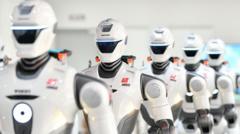
Trump Administration Implements Humanoid Robots Ban
The Trump administration has taken decisive action to restrict the importation and deployment of humanoid robots from China, marking a significant escalation in the ongoing technological competition between Washington and Beijing. This humanoid robots ban represents a critical shift in American policy toward safeguarding domestic innovation in artificial intelligence and advanced manufacturing sectors.
The prohibition underscores growing concerns within the U.S. government about China's rapid advancement in robotics technology and the potential national security implications of relying on foreign-manufactured automated systems. Administration officials have emphasized that protecting American interests in emerging technologies remains a top priority as both nations compete for global technological supremacy.
The Broader Context of US-China Technological Competition
The United States and China find themselves engaged in an intensifying race to establish dominance in robotics and artificial intelligence development. This competition encompasses multiple sectors, including manufacturing, military applications, healthcare, and consumer technology. The stakes are extraordinarily high, as nations that lead in AI and robotic innovation are likely to enjoy significant economic and geopolitical advantages throughout the 21st century.
Chinese manufacturers have made substantial strides in humanoid robot development, producing increasingly sophisticated machines capable of performing complex tasks. These advances have caught the attention of American policymakers who worry about technological dependency and potential security vulnerabilities. The humanoid robots ban aims to create breathing room for domestic U.S. companies to accelerate their own research and development initiatives without facing competition from lower-cost Chinese alternatives.
Strategic Implications for American Industry
By restricting Chinese humanoid robots from entering American markets, the Trump administration hopes to nurture the growth of domestic robotics manufacturers. U.S. companies specializing in humanoid robot development, automation solutions, and artificial intelligence systems may benefit from reduced foreign competition. This protective measure is consistent with broader administration efforts to strengthen American technological independence and reduce reliance on Chinese manufacturing.
Industry analysts suggest that the restriction could accelerate investment in American robotics research, leading to breakthrough innovations in autonomous systems. Universities and private sector laboratories across the country are actively developing next-generation humanoid robots designed for manufacturing, logistics, medical care, and hazardous environment operations. The administration's policy decision sends a clear signal that domestic development in these critical areas will receive policy support.
Implications for Global Trade and Technology Transfer
The humanoid robots ban reflects broader concerns about technology transfer and intellectual property protection. U.S. officials have long worried that Chinese companies gain access to American technological secrets through joint ventures, acquisitions, and espionage. By restricting the import of advanced robotics systems, policymakers aim to prevent potential security vulnerabilities and maintain America's technological edge.
This policy decision may trigger retaliatory measures from Beijing, potentially affecting trade relationships in other sectors. China has previously responded to American restrictions by implementing its own barriers against U.S. technology companies and agricultural products. The humanitarian implications of escalating technology trade restrictions remain a concern for international observers who worry about prolonged economic tensions between the world's two largest economies.
Future Prospects in Robotics Development
The trajectory of humanoid robot development will likely accelerate in both nations as each seeks to overcome the restrictions imposed by the other. American companies may receive increased government funding and support for research initiatives aimed at developing superior humanoid robot technologies. Chinese manufacturers, meanwhile, will focus on strengthening domestic markets and expanding their presence in nations outside American influence.
The long-term competitive advantage in artificial intelligence and robotics will depend on continuous innovation, talent acquisition, and capital investment. Both the United States and China recognize that dominance in these fields could translate into significant economic returns and global influence. Educational institutions in both countries are expanding programs in robotics, machine learning, and artificial intelligence to cultivate the next generation of innovators.
Conclusion
The Trump administration's decision to ban Chinese humanoid robots represents a watershed moment in the technological competition between the United States and China. While the policy aims to protect American interests and foster domestic innovation, it also signals a willingness to employ restrictive trade measures in pursuit of technological supremacy. As both nations continue investing heavily in artificial intelligence and robotics research, the global landscape of technological development will be shaped by these competing national strategies and policies.


