Temporary Housing Ban on Air Conditioning Forces London Families Into Crisis
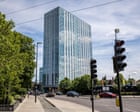
London Temporary Housing Residents Prohibited From Using Air Conditioning Systems
A troubling situation has emerged affecting vulnerable families living in temporary housing in London, where residents were explicitly forbidden from utilizing the air conditioning systems already installed within their accommodations. This temporary housing air conditioning ban has created dangerous living conditions during periods of extreme heat, resulting in serious health consequences for young residents.
Families who have been placed in emergency housing at Britannia Point located in Colliers Wood, south-west London, faced severe restrictions on climate control despite having functional cooling systems integrated into the glass-fronted residential building. Management officials informed tenants that the air conditioning was "not offered as an amenity" for individuals in temporary accommodation, effectively prohibiting its use even during hazardous temperature spikes.
Health Crisis: Children Hospitalized Due to Extreme Heat Exposure
The consequences of denying access to adequate cooling proved severe. At least two young children required emergency hospital admission following prolonged exposure to dangerously high indoor temperatures during recent heatwave events. Beyond these critical hospitalizations, numerous other families with children in the building experienced conditions so unbearably hot that their offspring became ill.
Medical professionals have raised serious concerns about the health implications of restricting access to climate control in residential spaces, particularly for vulnerable populations including young children, elderly individuals, and those with existing health conditions. The temporary housing situation at Britannia Point exemplifies how cost-cutting measures can directly endanger resident welfare.
Management Response and Policy Changes
Following media exposure of these conditions, the company responsible for managing certain tenancies at the facility acknowledged the gravity of the situation. Officials announced that households in temporary accommodation have now been granted permission to use the installed air conditioning systems. This reversal represents a shift in policy, though it came only after children suffered serious heat-related illness requiring hospitalization.
The change in approach suggests that previous restrictions were primarily administrative rather than technical in nature. The air conditioning infrastructure was operational and available; residents were simply prohibited from accessing it based on classification policies regarding which amenities were available to temporary housing occupants.
The Broader Temporary Housing Crisis in London
This incident highlights ongoing challenges within London's temporary accommodation system, which houses thousands of homeless families in emergency situations. The quality of such housing varies significantly, and cost-containment measures sometimes compromise resident safety and comfort.
Local authorities and private management companies operating temporary housing facilities face increasing pressure to accommodate growing numbers of displaced families while managing limited budgets. However, experts argue that essential amenities like air conditioning should not be subject to cost-saving restrictions, particularly when their restriction poses documented health risks.
The situation at Britannia Point raises questions about oversight mechanisms and standards that should apply to temporary housing. Regulatory frameworks must ensure that facilities meet basic standards of habitability and that safety systems already in place are actually available to residents who need them.
Impact on Vulnerable Populations
Families experiencing homelessness and reliant on temporary housing assistance are among London's most vulnerable populations. Many consist of working parents who have fallen on difficult circumstances, alongside children with no responsibility for their housing instability.
Exposure to extreme heat conditions disproportionately affects young children, whose bodies regulate temperature less effectively than adults. The hospitalization of children in this scenario represents a preventable health crisis that resulted from administrative policies rather than unavoidable circumstances.
Moving Forward: Policy and Standards
The reversal of the air conditioning restriction at Britannia Point establishes a positive precedent, but questions remain about other temporary housing facilities across London that may operate under similar policies. Advocates for homeless individuals are calling for comprehensive audits of temporary accommodation standards to ensure all residents have access to essential comfort and safety systems.
The Guardian's exclusive reporting on this issue has prompted broader conversations about accountability in the temporary housing sector. Management companies and local authorities are increasingly facing scrutiny regarding conditions in facilities housing some of society's most vulnerable residents.