Surgeons Control Humanoid Robots From Distance in Surgical Theater
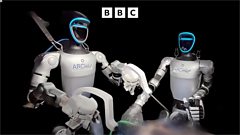
Groundbreaking Remote-Controlled Surgical Robots Transform Operating Room Procedures
In a remarkable advancement for medical technology, surgeons have successfully demonstrated the capability to remotely operate sophisticated humanoid robots within an active operating theater environment. This milestone achievement in remote-controlled surgical robots represents a significant leap forward in how complex medical interventions can be performed with enhanced precision and flexibility.
The demonstration showcased two anthropomorphic robotic units being manipulated by surgical professionals from a distance, fundamentally changing traditional approaches to surgical intervention. This development opens unprecedented possibilities for medical procedures that demand exceptional accuracy and real-time control mechanisms.
Understanding Remote-Controlled Surgical Robots Technology
Remote-controlled surgical robots combine advanced mechanical engineering with sophisticated control systems that allow medical professionals to guide surgical instruments with remarkable accuracy. Unlike traditional robotic surgical systems that operate through pre-programmed instructions, these humanoid platforms enable intuitive, real-time manipulation comparable to direct hand control.
The technology behind remote-controlled surgical robots integrates multiple critical components including force-feedback mechanisms, high-definition visualization systems, and responsive servo motors. These elements work harmoniously to transmit surgical intentions from the operator to the robotic platforms with minimal latency, ensuring that complex maneuvers translate seamlessly into robotic action.
Clinical Applications and Medical Potential
The successful operation of these humanoid robots in surgical settings demonstrates substantial potential for revolutionizing numerous medical procedures. Surgeons can now perform interventions from remote locations, fundamentally expanding access to specialized surgical expertise across geographical boundaries.
Remote-controlled surgical robots particularly benefit procedures requiring microsurgical precision, such as ophthalmologic operations, reconstructive procedures, and delicate tissue manipulation. The ability to maintain constant visual feedback while operating robotic appendages allows surgeons to navigate anatomical complexities with unparalleled control and safety margins.
Advantages of Teleoperation Medical Technology
Teleoperation medical technology introduces multiple advantages that extend beyond traditional surgical methodologies. The implementation of remote-controlled systems reduces physical strain on surgical teams while maintaining procedural accuracy and patient safety standards.
One substantial benefit involves reducing surgeon fatigue during extended operations, as the ergonomic positioning required for remote operation substantially differs from conventional standing surgical postures. Additionally, teleoperation medical technology permits surgical specialists to collaborate across institutions and international borders, democratizing access to world-class surgical expertise.
The system's real-time feedback mechanisms enable surgeons to sense tissue resistance, enabling them to adjust techniques instantaneously. This haptic feedback integration within remote-controlled surgical robots ensures that operators maintain comprehensive procedural awareness despite physical separation from the operative field.
Safety Protocols and Precision Enhancement
Implementation of humanoid robots in surgical environments demands rigorous safety protocols and reliability verification. These robotic platforms incorporate redundant safety systems, emergency shutdown mechanisms, and fail-safes that prevent unintended movements during critical surgical moments.
The precision enhancement offered by remote-controlled surgical robots addresses inherent limitations in manual surgical techniques, including natural hand tremor and fatigue-induced variability. By filtering out involuntary movements and amplifying intentional surgical gestures, these systems achieve consistency levels impossible through conventional approaches.
Future Implications for Surgical Practice
The successful demonstration of remote-controlled surgical robots operating within actual clinical environments signals an imminent transformation in surgical practice. As these technologies mature and regulatory frameworks evolve, teleoperation medical technology will likely become increasingly integrated into standard surgical protocols.
Future developments may include enhanced artificial intelligence integration, predictive motion compensation, and improved network infrastructure supporting global surgical collaboration. These advancements will further refine remote-controlled surgical robots capabilities, expanding their applicability across diverse surgical specialties and emergency medicine scenarios.
This groundbreaking achievement represents not merely a technological curiosity but rather a fundamental paradigm shift in how humanity approaches surgical intervention and medical care delivery. The successful demonstration of humanoid robots performing under surgeon direction establishes a compelling foundation for continued innovation and clinical implementation of remote-controlled surgical technologies.


