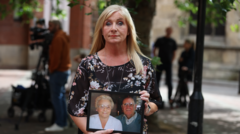
Mother Devastated After Learning Baby's Ashes Were Misidentified
Heartbreaking Discovery: Baby's Ashes Confusion
A heartbroken mother has come forward with a devastating account involving her deceased infant after discovering that baby ashes were misidentified and incorrectly labeled as animal remains. Lucy Ness, still grieving the loss of her child, has shared her painful journey and the shocking mistakes made during the cremation process that compounded her suffering.
The Initial Mix-Up at the Funeral Home
When Lucy Ness received what she believed to be her baby's cremated remains from the funeral facility, she had no reason to suspect anything was amiss. However, upon closer examination and subsequent investigation, she discovered that the container held animal remains rather than those of her precious child. This devastating revelation forced her to confront not only her grief but also serious questions about the competence and protocols followed by the funeral home responsible for handling her baby's remains.
The misidentification of baby ashes represents a profound failure in the cremation process. Such errors demand thorough investigation and comprehensive safeguards to prevent similar tragedies from occurring in the future. Lucy Ness's case highlights the vulnerability of grieving families who must place their trust in funeral service professionals during the most difficult moments of their lives.
Impact on the Grieving Family
For a parent experiencing the loss of an infant, the proper handling of cremated remains holds tremendous emotional and spiritual significance. The discovery that she did not possess her baby's actual ashes has added an additional layer of anguish to Lucy's already overwhelming grief. The emotional toll of such a mistake extends far beyond the initial shock, affecting the family's ability to properly honor and remember their lost child.
Lucy Ness has expressed her deep hope and concern regarding the whereabouts of her baby's remains. In a statement that captures her maternal love and continued devotion, she remarked, "I hope my baby's remains are with someone who loves them like I loved these." This poignant reflection demonstrates her unwavering connection to her child and her desire that, wherever the remains may be, they are treated with the dignity and love they deserve.
Questions About Funeral Home Procedures
This troubling incident raises critical questions about cremation procedures, labeling systems, and quality control measures employed by funeral homes. Proper identification protocols are essential to ensure that each family receives the correct cremated remains of their loved ones. When these systems fail, as they clearly did in this case, the consequences are immeasurable for bereaved families.
The mix-up involving baby ashes misidentified as animal remains suggests potential lapses in basic documentation and verification procedures. Funeral homes must implement rigorous tracking systems throughout the entire cremation process, from initial intake through final delivery to families. Each step should be carefully monitored and documented to prevent such heartbreaking errors.
Investigation and Accountability
Lucy Ness's case has prompted scrutiny of the funeral home's operations and practices. Investigations into how such a significant error could occur are now underway, with authorities examining the facility's procedures for handling and identifying cremated remains. The findings from this investigation could have far-reaching implications for how funeral homes across the region operate and maintain standards.
Accountability is paramount when families have entrusted their most precious loved ones to professional care. The funeral home involved must be held responsible for the distress and suffering caused by their negligence. Beyond individual accountability, this case underscores the need for industry-wide improvements in cremation protocols and oversight.
Moving Forward: Systemic Change
The heartbreaking experience of Lucy Ness serves as a stark reminder of why rigorous standards and oversight are necessary in the funeral industry. Grieving families deserve assurance that their loved ones will be treated with utmost care and respect. Cremation facilities should be required to implement modern tracking technologies, including digital identification systems and multiple verification checkpoints throughout the process.
As this family continues their search for answers and seeks to locate their baby's remains, their story advocates for meaningful reform in how funeral homes operate. The dignity of the deceased and the emotional well-being of bereaved families must be the top priority in every cremation facility. Lucy Ness's courage in speaking out about her traumatic experience may help prevent other families from enduring similar anguish in the future.