Kenya's Elephant Crisis: 14 Deaths Spark Critical Investigation
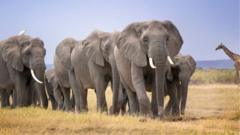
Unprecedented Elephant Mortality Event in Southern Kenya
A devastating situation has unfolded in southern Kenya, where elephant deaths have reached alarming levels, prompting immediate governmental and wildlife organization response. The discovery of fourteen deceased pachyderms represents the most significant loss recorded in this particular region over the past several decades, raising serious concerns about environmental conditions, poaching activities, and disease transmission among these iconic mammals.
Severity of the Current Crisis
The magnitude of this incident cannot be overstated. This death toll constitutes the highest number of elephant deaths in Kenya documented in this geographical area for more than thirty years. Wildlife experts and conservation specialists are working collaboratively to determine the underlying causes, which could range from disease outbreaks and poisoning to water contamination or predation-related complications.
The southern Kenya region has historically been a crucial habitat for elephant populations, making these losses particularly significant for biodiversity and ecosystem balance. Each deceased individual represents an irreplaceable loss to the species and the broader wildlife conservation efforts in East Africa.
Investigation and Response Measures
In response to this crisis, authorities have launched a comprehensive inquiry to identify what triggered the mass mortality event. Veterinary teams, wildlife researchers, and law enforcement agencies are conducting thorough examinations of the carcasses to gather forensic evidence. Samples are being collected and analyzed to rule out infectious diseases, toxin ingestion, or other pathological conditions.
The investigation encompasses multiple dimensions, including habitat assessment, water source analysis, and examination of vegetation patterns that might indicate poisoning. Additionally, security personnel are scrutinizing the area for any indications of illegal poaching activities, which remain a persistent threat to Kenya's elephant population.
Impact on Conservation Efforts
This incident underscores the ongoing challenges faced by conservation organizations working to protect African elephant populations. The species faces multiple threats including habitat loss, human-wildlife conflict, and illegal ivory trafficking. The sudden loss of fourteen individuals within a concentrated area raises questions about the effectiveness of current protection strategies and resource allocation.
Conservation groups operating in southern Kenya are reassessing their monitoring protocols and early warning systems to prevent similar incidents in the future. The findings from this investigation will likely inform policy changes and enhanced protective measures across wildlife reserves and national parks in the region.
Broader Implications for Wildlife Management
Beyond the immediate tragedy, this event highlights vulnerabilities in Kenya's wildlife management infrastructure. Climate change, drought conditions, and changing environmental patterns are increasingly affecting animal populations across East Africa. The mysterious nature of these elephant deaths suggests that conventional threats may be compounded by emerging environmental stressors.
Experts emphasize the need for integrated approaches combining habitat restoration, disease surveillance, anti-poaching initiatives, and community engagement. Local communities adjacent to wildlife areas play a crucial role in reporting suspicious activities and unusual animal behavior that might signal forthcoming crises.
Moving Forward with Answers and Action
As the investigation progresses, the results will be critical for understanding what happened to these fourteen elephants. Whether the cause proves to be environmental, biological, or human-induced, the response will shape future conservation strategies in southern Kenya and potentially across the nation's wildlife management framework.
The international conservation community is closely monitoring developments, recognizing that Kenya's elephant population remains vital for global biodiversity and represents an invaluable natural heritage that requires unwavering protection and scientific vigilance.