Iran's Strategic Calculus: Why Controlled Conflict May Outweigh Peace with US
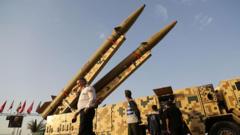
Iran's Strategic Approach to Controlled Conflict
The complexity of Iran US conflict strategy reveals a sophisticated calculation by Tehran regarding its long-term interests and regional positioning. Rather than pursuing outright peace or escalating to all-out warfare, Iranian leadership may perceive a controlled and limited conflict framework as the optimal middle ground to maintain geopolitical leverage while minimizing existential risks.
The Logic Behind Limited Engagement
Iran's preference for a measured approach to US tensions stems from several interconnected strategic considerations. By maintaining pressure through carefully calibrated actions, Tehran can demonstrate strength to domestic constituencies and regional allies without triggering the full military apparatus of American power. This Iran US conflict strategy allows the nation to preserve its nuclear negotiations leverage, sustain support among proxy forces, and maintain deterrent capabilities across multiple domains.
Domestic Political Imperatives
Within Iran, political factions compete for influence and resource allocation. A hardline stance provides nationalist credentials essential for regime legitimacy, particularly among Revolutionary Guard elements and conservative constituencies. Limited warfare permits government leaders to satisfy domestic demands for resistance against perceived American hegemony while avoiding the catastrophic economic and human costs associated with comprehensive warfare. This delicate balance reflects internal political pressures that shape external behavior.
Regional Power Projection
Iran's strategic footprint extends throughout the Middle East via proxy networks, maritime capabilities, and advanced weaponry. A controlled conflict framework enables Tehran to test American responses, gather intelligence about military capabilities, and reinforce its position as a consequential regional power. Through limited strikes on energy infrastructure, selective targeting of military assets, or support for non-state actors, Iran can maintain relevance in regional power dynamics without absorbing devastating counterattacks that comprehensive warfare would invite.
Avoiding the Catastrophic Scenario
Full-scale war between Iran and the United States would inflict unprecedented destruction on Iranian territory, devastate its economy for generations, and potentially threaten regime survival. The military asymmetry is stark—American technological superiority in air power, naval dominance, and precision strikes would overwhelm Iranian conventional forces within weeks. Recognizing this reality, Iranian strategists likely view limited conflict as a rational alternative that permits continued pressure while sidestepping existential threats. This understanding shapes every calculated provocation and measured response in the ongoing Iran US conflict dynamic.
Economic Considerations
Comprehensive warfare would collapse Iran's already fragile economy, destroy critical infrastructure, and trigger humanitarian catastrophe. International sanctions regime—already severely constraining—would become absolute isolation. Limited conflict, conversely, allows Tehran to operate within gray zones where economic damage remains manageable while maintaining negotiating positions. This economic calculus heavily influences decisions about escalation thresholds and risk tolerance in regional confrontations.
Why Peace Remains Elusive
From Tehran's perspective, comprehensive peace with the United States presents its own vulnerabilities. A genuine settlement would require abandoning regional ambitions, submitting to enhanced international inspections, potentially dismantling proxy networks, and accepting American primacy in the Persian Gulf. Such concessions would undermine the revolutionary ideology upon which the Iranian system rests and invite domestic opposition from security establishments that have built careers opposing American influence.
Ideological Resistance to Normalization
The Islamic Republic was founded partly on anti-American principles. Complete rapprochement contradicts foundational narratives and threatens to delegitimize the political system among base constituencies. Limited conflict, by contrast, perpetuates the narrative of principled resistance while avoiding the diplomatic humiliation and internal backlash that would accompany formal peace arrangements. This ideological dimension—often underestimated in Western analysis—profoundly shapes Iranian strategic preferences.
The Managed Escalation Framework
Iranian strategists appear to operate within what might be termed a managed escalation framework. Each action is calibrated to produce specific effects: demonstrating resolve, testing American commitment, gathering strategic intelligence, and maintaining bargaining leverage. This approach requires sophisticated understanding of American decision-making, red lines, and tolerance for various types of provocations. The Iran US conflict strategy relies on implicit communication through actions rather than explicit diplomacy.
Regional Allies and Deterrent Effects
Limited conflict enables Iran to provide ongoing support to regional allies—from Hezbollah in Lebanon to Houthi forces in Yemen—without triggering direct American intervention that comprehensive warfare would necessitate. This approach multiplies Iranian leverage across multiple theaters and distributes risk among proxy organizations rather than concentrating vulnerability within Iranian borders. The deterrent effect extends both to potential adversaries and to American decision-makers calculating costs of broader engagement.
Conclusion: The Strategic Equilibrium
Iran's apparent preference for limited conflict represents rational strategic calculation rooted in domestic constraints, regional opportunities, economic vulnerability, and military asymmetries. Neither peace nor all-out war serves Tehran's interests as effectively as carefully managed tension does. This Iran US conflict strategy will likely persist unless fundamental circumstances change—whether through American policy shifts, internal Iranian political transformations, or regional developments that alter the strategic calculus underlying this precarious equilibrium.