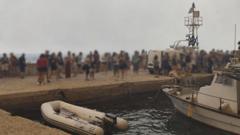
Gironde Wildfires Intensify as Region Faces Severe 40C Heat
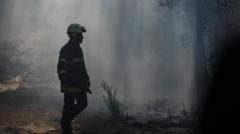
Gironde Wildfires Escalate Amid Extreme Heat Warning
The Gironde wildfires have intensified significantly as the southwestern French region faces an unprecedented weather challenge. Emergency services are preparing for a severe heatwave with temperatures expected to reach 40 degrees Celsius, creating critical complications for ongoing wildfire suppression operations. The convergence of these two natural hazards poses an exceptional risk to both firefighting personnel and residential communities across the affected areas.
Temperature Surge Threatens Fire Containment Efforts
Meteorological forecasts indicate a dramatic temperature escalation scheduled for Wednesday, which fire management officials warn will fundamentally alter containment strategies. The anticipated spike in heat will generate stronger wind patterns and further desiccate vegetation, making wildfire propagation substantially more difficult to control. Gironde wildfires have historically presented formidable challenges during elevated temperature periods, and current projections suggest this scenario will rank among the most demanding situations firefighters have encountered this season.
Operational Challenges for Emergency Responders
Firefighting teams across the region are implementing enhanced preparedness protocols specifically designed to address the unique challenges posed by the combination of active Gironde wildfires and extreme atmospheric conditions. Personnel have been briefed on modified tactical approaches that account for accelerated fire behavior and unpredictable wind dynamics. Equipment deployment strategies have been adjusted to ensure maximum efficiency during the anticipated 40C heatwave, with particular emphasis on protecting vulnerable populations in high-risk zones.
Regional Infrastructure and Community Impact
The Gironde region is mobilizing comprehensive resources to manage the dual crisis of spreading wildfires and extreme temperatures. Local authorities have established evacuation protocols and established emergency shelters for residents in threatened areas. The combination of these environmental stressors threatens critical infrastructure, including power distribution networks and water supply systems, which are essential for both civilian needs and firefighting operations. Community leaders emphasize that residents must remain vigilant and prepared to relocate on short notice if evacuation orders are issued.
Resource Allocation and Coordination
Regional and national authorities have coordinated significant resource deployment to address the escalating Gironde wildfires situation. Aerial firefighting assets, including water-dropping helicopters and specialized aircraft, are positioned strategically throughout the affected territories. Ground crews consisting of professional firefighters and trained volunteers are stationed at critical junctures to provide rapid response capabilities. Cross-border cooperation mechanisms have been activated, ensuring that neighboring regions can provide auxiliary support if necessary.
Health and Safety Considerations
Medical services have elevated their alert status in anticipation of heat-related illnesses and fire-related injuries during the impending heatwave. Healthcare facilities are stockpiling necessary supplies and adjusting staffing levels to accommodate potential surge demands. Public health authorities recommend that vulnerable populations—including elderly residents, individuals with respiratory conditions, and those managing chronic medical conditions—take preventive measures such as staying hydrated and seeking air-conditioned environments during peak temperature hours. The combination of Gironde wildfires and extreme heat creates compound health risks that demand immediate medical attention.
Fire Prevention and Future Preparedness
Beyond immediate crisis management, regional authorities are emphasizing the critical importance of long-term wildfire prevention strategies. Vegetation management programs, controlled burn initiatives, and forest monitoring systems represent essential components of comprehensive risk mitigation. Climate change patterns indicate that extreme temperature events coupled with seasonal drought conditions will become increasingly frequent across the Gironde region and broader Mediterranean zones. Strategic investments in early detection systems, firefighter training programs, and community awareness campaigns represent essential adaptations to evolving environmental challenges.
Looking Forward: Wednesday's Critical Period
As Wednesday approaches with its projected 40C temperatures, the Gironde wildfires situation demands continuous monitoring and adaptive management responses. Meteorological updates will provide critical guidance for tactical adjustments throughout the day. Residents are strongly advised to monitor official communications channels for real-time information regarding air quality alerts, evacuation notices, and safety recommendations. The intensity of the challenge ahead underscores the necessity for coordinated regional response, technological innovation in firefighting capabilities, and community resilience during environmental crises.