French Navy Training Exercise Sparks Row with UK Conservative MP
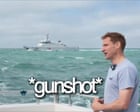
Conservative MP's Accusation of Naval Aggression
The French Navy training exercise became the center of a diplomatic exchange when Conservative Member of Parliament Chris Philp reported that a French patrol vessel had discharged firearms near his location while crossing the English Channel. The incident prompted immediate social media commentary from the shadow home affairs spokesperson, who initially interpreted the situation as deliberate naval aggression directed at his vessel.
Philp's account of the French Navy encounter described hearing gunshots followed by spotting a French gunship in close proximity. The timing and nature of the incident led him to believe the discharge was intentional, particularly given his ongoing public focus on maritime security concerns affecting the United Kingdom.
Official French Explanation and Context
French maritime authorities provided a substantially different narrative regarding the Channel patrol situation. According to official statements from France, the French Navy was conducting a standard training exercise involving weaponry and tactical procedures. The French government emphasized that the personnel conducting the French Navy operations had no awareness of Philp's presence in the vicinity, nor did they possess any information regarding his identity or purpose for being in the region.
This explanation suggested that the incident represented a coincidental overlap between scheduled military training and Philp's transit through the area, rather than any form of targeted action. The French Navy characterized the exercise as routine protocol conducted regularly in Channel waters to maintain operational readiness.
Political Context: Small Boats and Border Security
Chris Philp's prominence in discussing maritime border security matters provided additional context to his interpretation of the Channel patrol incident. As the shadow home affairs spokesperson, Philp has maintained a visible position on issues surrounding irregular maritime migration across the English Channel, commonly referred to as the small boats crisis.
His critics suggested that his presence near the French patrol vessel may have been connected to his broader advocacy regarding Channel security matters. The timing of his encounter with the French Navy raised questions about whether his transit was coincidental or part of deliberate activity to document border enforcement operations.
Implications for UK-France Relations
The French Navy incident highlighted underlying tensions in United Kingdom and France maritime cooperation efforts. Despite historical partnerships in naval matters, disagreements over Channel patrol responsibilities and small boat interceptions have occasionally strained diplomatic relations between the two nations.
The incident added another dimension to ongoing discussions about how maritime security challenges are managed across the Channel. Questions emerged regarding communication protocols between British and French maritime authorities, and whether advance notification procedures existed for operations that might affect civilian or political figures in the area.
Social Media and Political Response
Philp's immediate social media updates regarding the French Navy encounter served to amplify the incident beyond maritime circles into broader political discourse. His account reached numerous followers before French authorities released their explanation, potentially shaping initial public perception of the event.
The rapid dissemination of information through social platforms highlighted how incidents at sea can quickly become political matters, particularly when involving prominent political figures. The contrast between Philp's initial interpretation and the French Navy's subsequent clarification demonstrated the importance of verified information in international incidents.
Channel Security Landscape
The incident occurred within the broader context of intensified Channel patrol operations undertaken by both British and French maritime authorities. These patrols focus on monitoring irregular migration activities, smuggling operations, and maritime safety concerns. The French Navy conducts regular training exercises to maintain operational capabilities in managing these responsibilities.
The presence of multiple vessels in Channel waters, combined with routine training activities, creates complex maritime environments where misunderstandings can arise. The incident served as a reminder of the operational realities faced by naval personnel managing busy shipping lanes and security objectives simultaneously.
Clarification and Resolution
Following official statements from French authorities explaining the routine nature of the French Navy training exercise, the immediate diplomatic tension surrounding the incident diminished. The explanation provided sufficient context to distinguish between accidental coincidence and deliberate targeting.
The resolution of the incident emphasized the importance of clear communication channels between allied nations operating in shared maritime spaces. Both the United Kingdom and France rely on effective coordination to manage Channel operations, and misunderstandings can complicate already-complex border security challenges.