French Naval Vessel Fires Near Philp During Channel Patrol
Shadow Minister Rejects Training Exercise Explanation
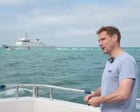
A French naval vessel fires near a Conservative politician monitoring illegal migrant activity in the English Channel, escalating tensions between UK and French authorities. Shadow Home Secretary Chris Philp has firmly rejected French claims that a French naval vessel fires were part of a routine training exercise, insisting instead that the incident resembled deliberate intimidation.
The confrontation occurred while Philp was conducting surveillance operations aboard a vessel in the Channel, observing small boat crossing activities. According to the shadow minister's account, a French warship approached his position and discharged 17 live rounds in proximity to his boat without prior notification or announcement of any scheduled military exercises.
Details of the Incident
Philp publicly disclosed the encounter through social media, providing a detailed account of what transpired during his Channel patrol mission. The shadow home secretary emphasized that the lack of warning and the absence of any declared training exercise made the situation particularly concerning from his perspective.
In his statement, Philp indicated that neither he nor his team received advance notice of military activities in the area. The proximity of the French naval vessel and the firing sequence created what he characterized as an atmosphere of intimidation rather than a standard military training protocol. This incident adds another layer to existing tensions regarding maritime incidents in the English Channel, particularly following previous incidents involving Russian naval activities in the region.
French Response and Training Exercise Claims
French authorities have maintained that the French naval vessel fires were part of standard military training exercises conducted in the Channel. However, Philp's rejection of this explanation suggests significant disagreement between the two parties regarding the circumstances and purpose of the incident.
The French government's assertion that the situation involved routine training activities contrasts sharply with the shadow minister's characterization of the events. Philp's account emphasizes the absence of any formal notification system that would typically precede such military exercises, raising questions about coordination and communication protocols between British and French maritime authorities.
Broader Context of Channel Security
This incident involving the French naval vessel fires occurs within the broader context of Channel security concerns. The English Channel has become an area of significant diplomatic tension, with multiple nations conducting operations to monitor various maritime activities, including illegal smuggling operations and unauthorized crossings.
The mention of Russian naval activities in the Channel provides additional context to Philp's concerns. Previous incidents have established a pattern of international naval vessels operating in the Channel with varying degrees of coordination with British authorities. The appearance of a French naval vessel firing near a British politician conducting legitimate government business raises important questions about maritime protocols and international cooperation.
Political Implications and Response
As shadow home secretary, Philp's role includes scrutinizing government border security measures and monitoring operations related to illegal migration. His presence aboard the monitoring vessel represented an attempt to gather firsthand information about the scale and nature of small boat crossings in the Channel.
The incident involving the French naval vessel fires has significant political ramifications for UK-France relations, particularly regarding maritime cooperation in the Channel. The shadow minister's public disclosure of the incident ensures that the matter receives attention beyond official diplomatic channels, placing pressure on both British and French governments to clarify the circumstances and implement measures to prevent similar occurrences.
Questions About Maritime Protocol
The absence of advance warning before the French naval vessel fires raises fundamental questions about existing maritime safety protocols. Standard international practice typically requires notification of military exercises to prevent dangerous situations involving civilian or monitoring vessels operating in the same waters.
Philp's account suggests that either such protocols were not followed or communication between British and French authorities broke down prior to the incident. This raises concerns about the effectiveness of coordination mechanisms designed to prevent accidental maritime confrontations in heavily trafficked waterways like the English Channel.